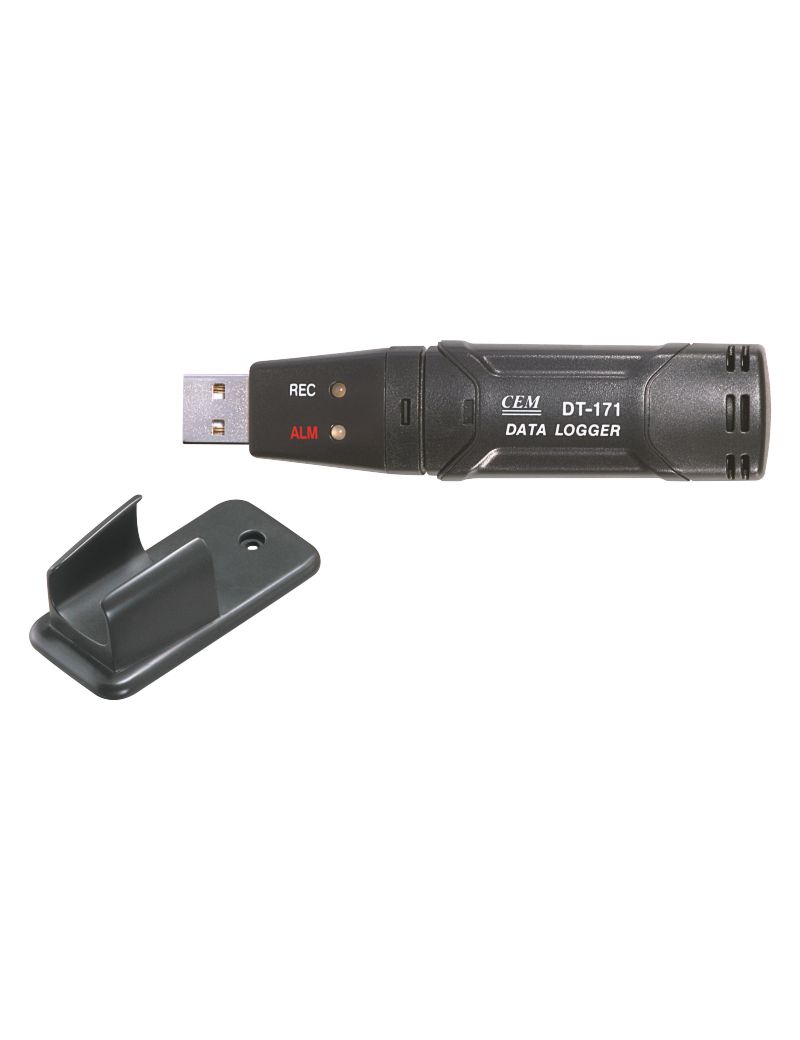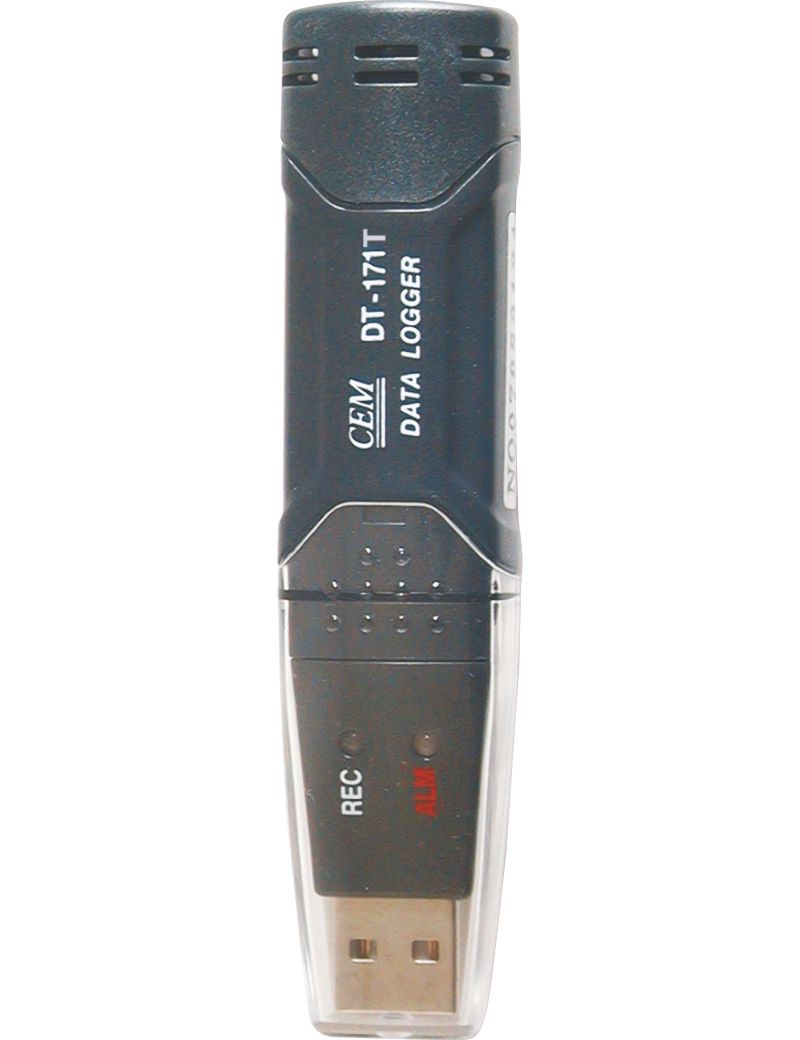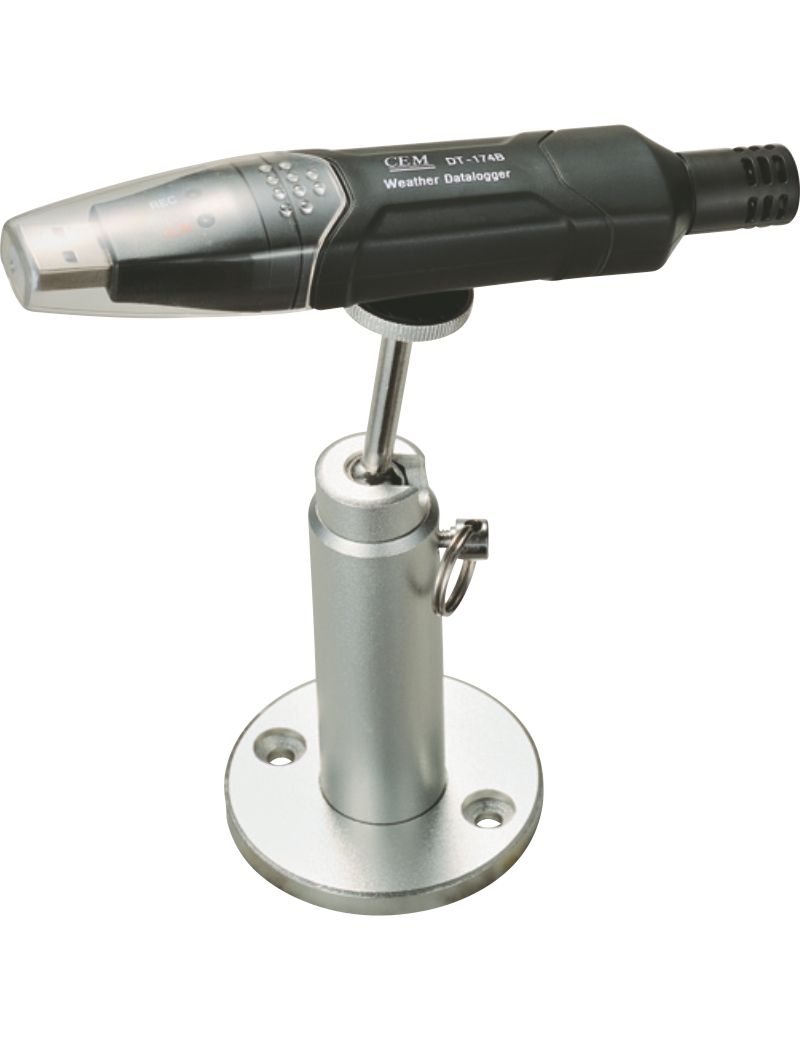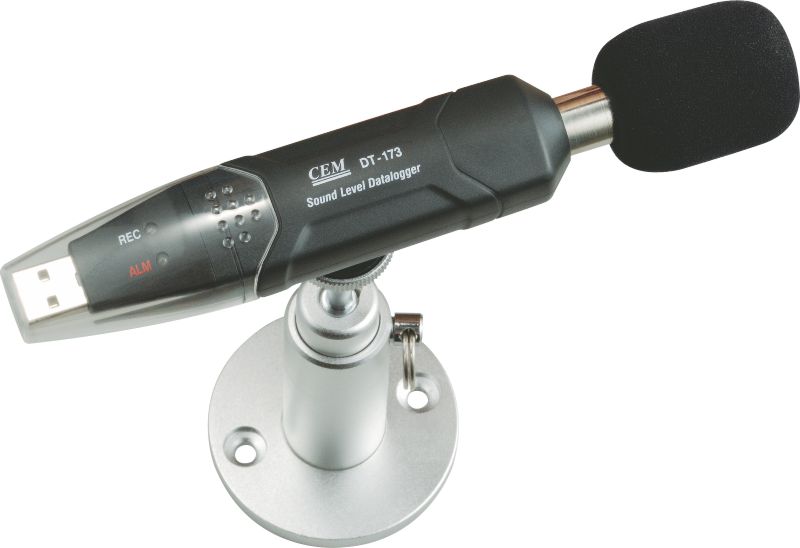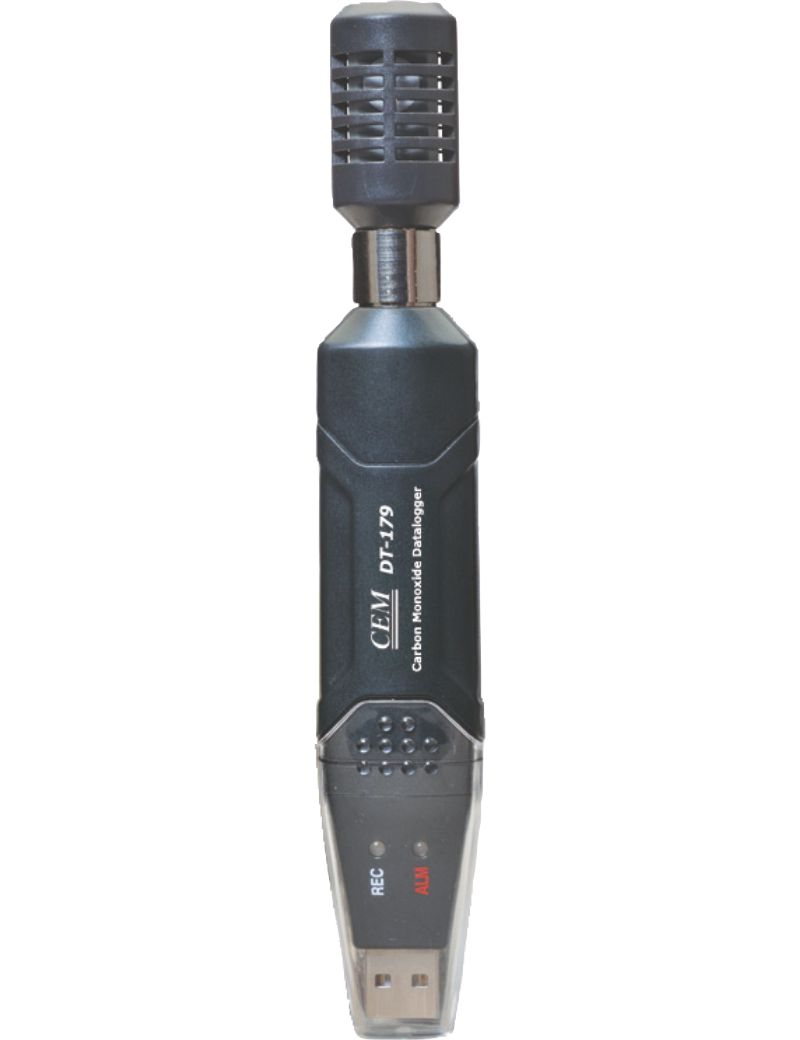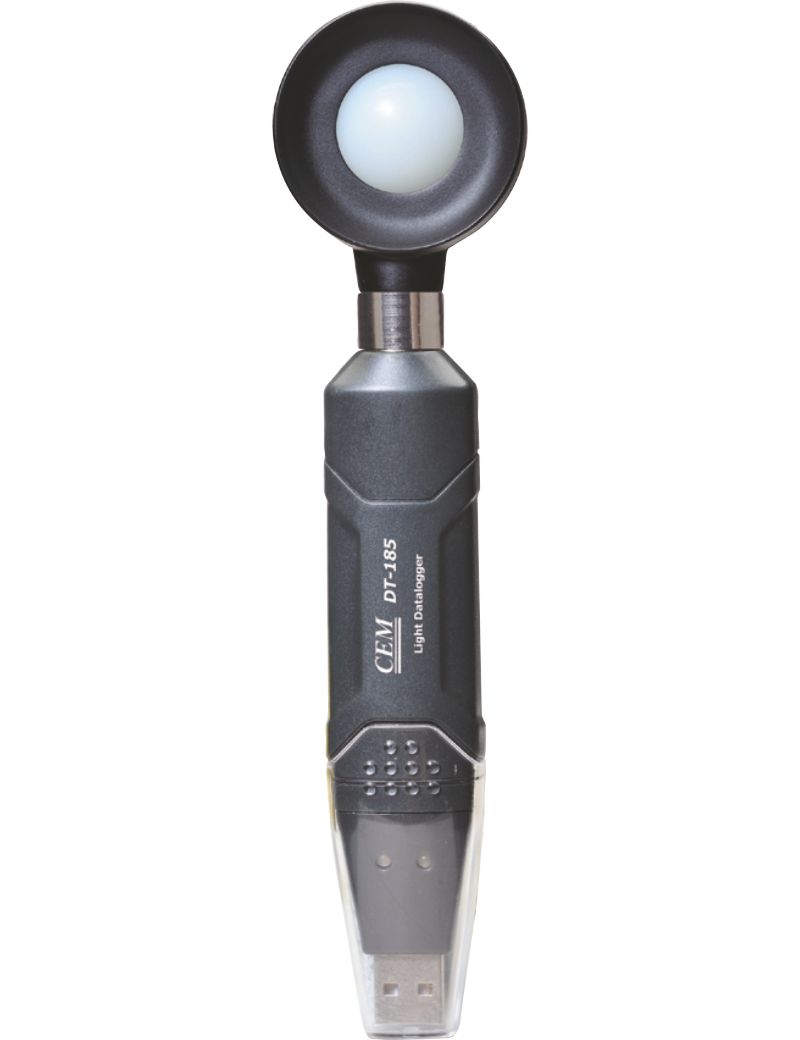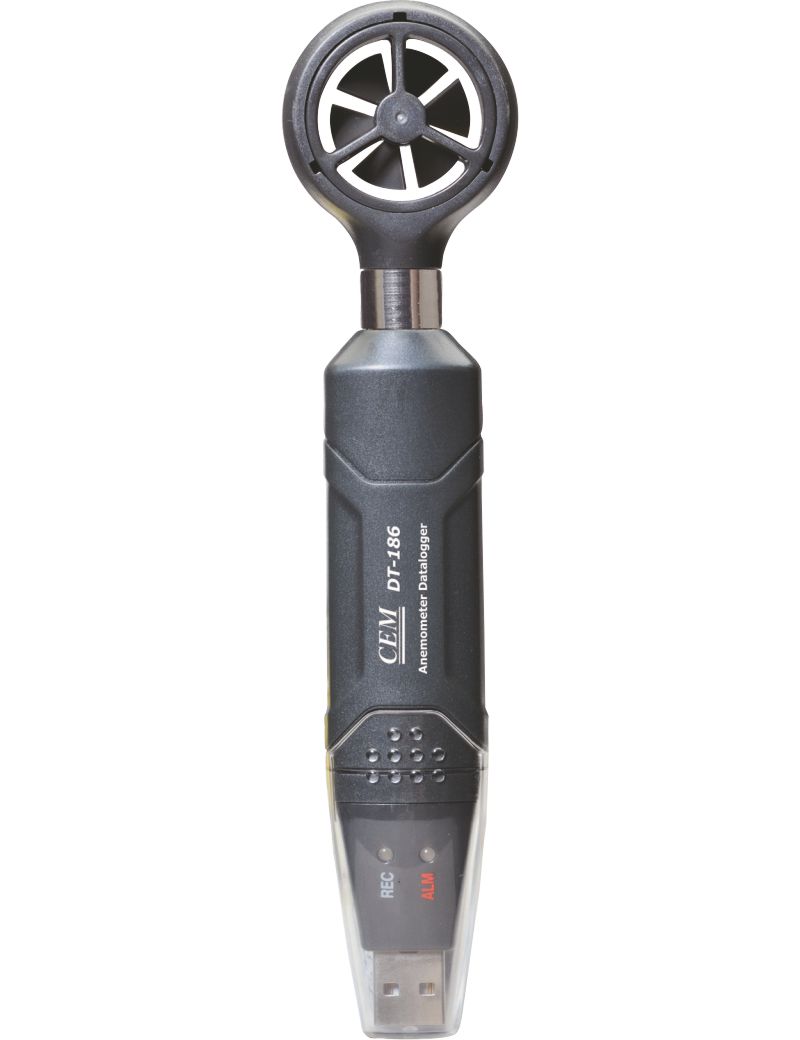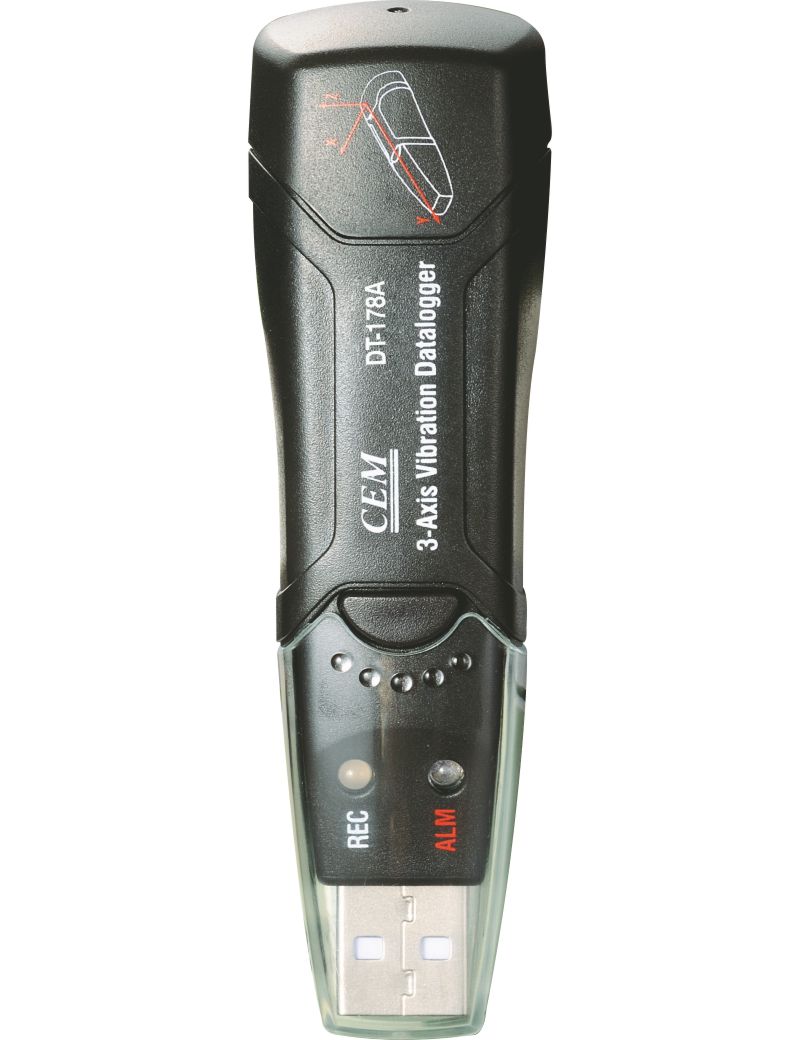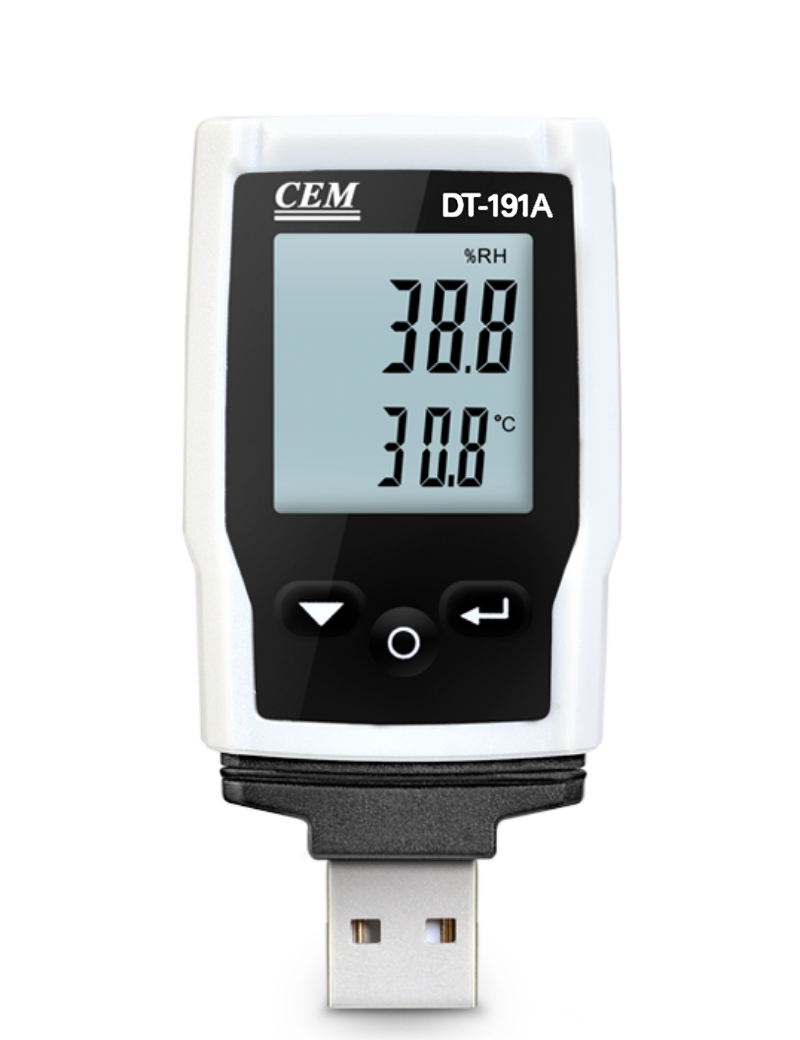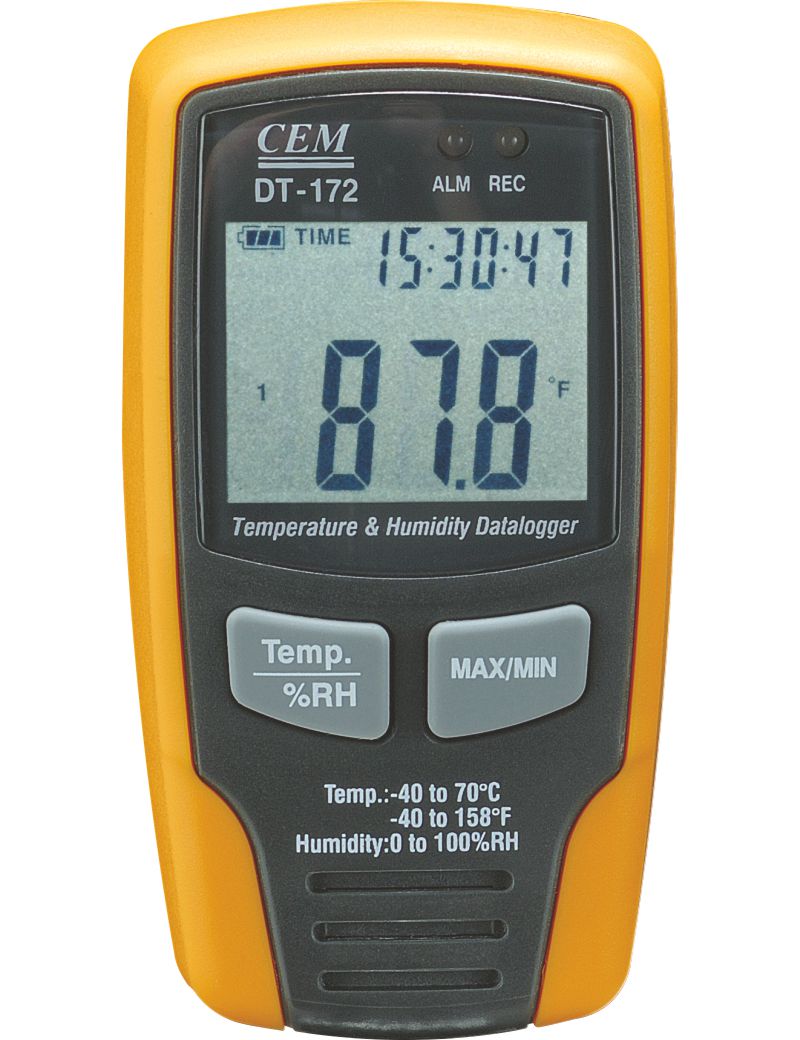
The CEM DT-172 is a smart data logger with internal sensors for both humidity and temperature. All values are shown in the display, that is present, max., min. and time. The logger is perfect for many different applications like office environment or temperature controlled transportation or clean rooms. The loggings are stamped with time and date and the large memory enables logging of 16,000 data sets.
In the software alarms limits can be programmed and the loggings are easily transferred and printed as graph or list.
The CEM DT-172 is delivered ready to use with battery, wall mount, software, USB cable and manual.
In the high-stakes world of network security, your firewall is the first and last line of defense. For organizations running Fortinet’s FortiGate next-generation firewalls (NGFWs), the phrase “latest FortiGate firmware verified” is more than just a technical checkbox—it is a strategic imperative. Every quarter, Fortinet releases updates that patch zero-day vulnerabilities, introduce cutting-edge features, and optimize performance. However, the term “latest” can be deceptive. Without proper verification, a simple firmware upgrade can lead to VPN outages, memory leaks, or broken SSL inspection.
| | Impact | Verification Gap | | --- | --- | --- | | SSL VPN memory leak (7.6.0) | HA failover every 48 hours | Skipped the 2-week honeymoon | | FortiAP tunnel flapping (7.4.5) | Intermittent Wi-Fi drops | Ignored “Known Issues” section | | BGP route table corruption (7.2.8) | Complete network blackout | Failed to test in staging | | FSSO agent incompatibility (7.6.1) | No user-based policies | Did not verify third-party integration |
This article explores what “verified” truly means, the current state of FortiOS stability, and a step-by-step methodology to ensure your network’s heart continues to beat without arrhythmia. Too many administrators make the mistake of equating “latest” with “best.” In the FortiGate ecosystem, the latest General Availability (GA) release is often a double-edged sword. Fortinet follows an aggressive release cadence, and while new versions ship with crucial Common Vulnerabilities and Exposures (CVE) patches, they may also introduce new bugs.